Why Objects Carry Meaning
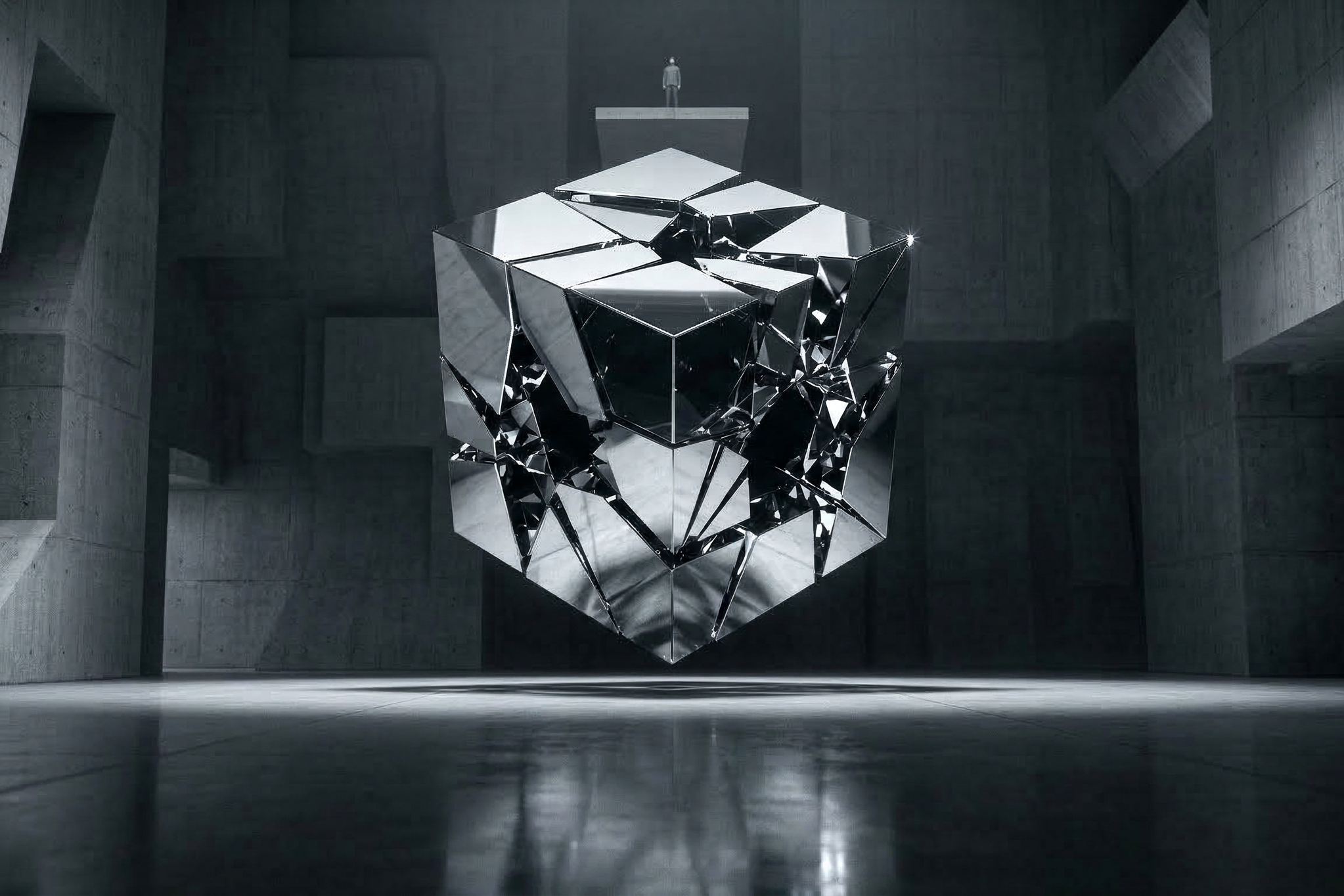
Why Objects Carry Meaning
A ring is not just metal.
A necklace is not just material.
A symbol is never just a shape.
Objects become meaningful not because of what they are —
but because of what we project onto them.
Meaning Is Assigned, Not Inherent
Nothing in the physical world contains meaning by default.
Meaning is constructed:
through memory
through culture
through repetition
through belief
The same object can mean:
power to one person
protection to another
nothing to someone else
The object doesn’t change.
The observer does.
Objects as Emotional Containers
Humans store emotions in physical forms.
We attach feelings to:
places
sounds
objects
Because objects are stable,
they become anchors for unstable emotions.
That is why:
a worn pendant can feel “alive”
an old item can trigger memory instantly
a simple object can feel irreplaceable
The object becomes a container —
for something invisible.
From Object to Identity
At a deeper level, objects begin to shape identity.
Not just:
“I own this object”
But:
“This object represents me”
This is where transformation happens.
Objects become:
extensions of self
signals to others
silent narratives
What you wear, carry, or collect
starts to define how you are perceived.
The Illusion Layer
But there is a hidden layer.
We often forget:
the meaning is not inside the object.
It is inside us.
We project → then believe → then attach.
Over time,
the projection feels real.
This is how symbols gain power.
Insight
Objects do not carry meaning.
Humans do.
Objects are only mirrors
reflecting what we choose to see.
