The Atlas Project
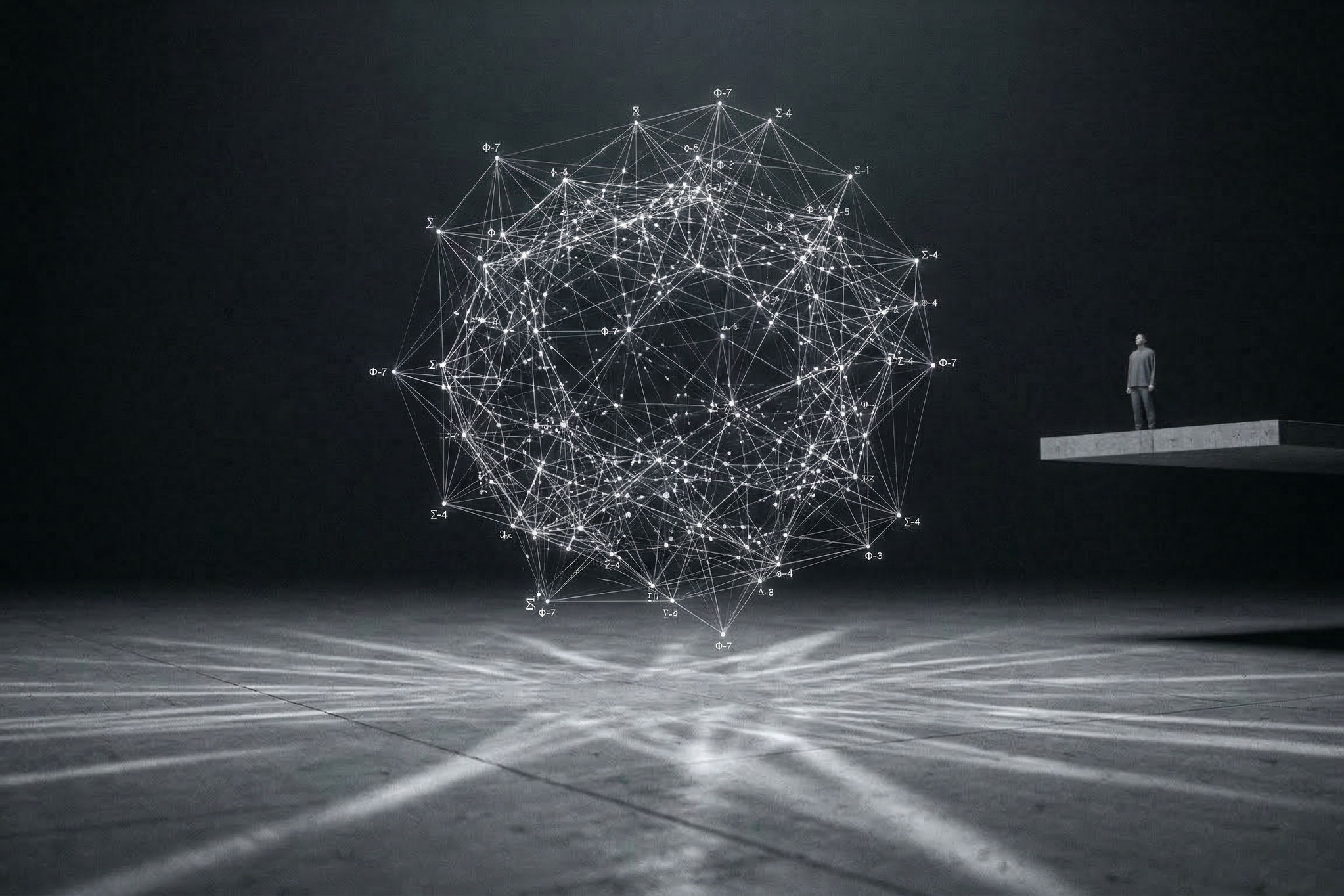
There is a hidden layer beneath the world we see.
Objects are not just things.
They are coordinates — points of meaning that define how we perceive reality.
The Atlas Project begins with a simple question:
What if every object is a map?
Mapping Meaning
We move through life surrounded by objects.
Most of them appear neutral.
Functional. Silent.
But this neutrality is an illusion.
Every object carries:
A context
A memory
A signal
These signals are not always visible, but they shape how we interpret the world.
Objects as Coordinates
In The Atlas Project, objects are not treated as items.
They are treated as coordinates.
Each object marks a point in a larger system — a system of belief, perception, and identity.
Together, these points form a map.
Not a physical map, but a perceptual one.
The Invisible Structure
This map is not something we consciously build.
It forms through:
Repetition
Association
Cultural patterns
Over time, objects begin to define reality itself.
We no longer see them as carriers of meaning.
We see them as truth.
The Role of Perception
The Atlas Project is not about objects alone.
It is about perception.
The same object can mean different things depending on who observes it.
Meaning is not fixed.
It is assigned.
This makes the map unstable — constantly shifting, evolving.
A System, Not a Collection
This project is not a collection of objects.
It is a system.
Each piece is connected to another.
Each meaning influences the next.
Understanding one object leads to another — forming a network rather than a list.
Conclusion
The Atlas Project is an attempt to trace this network.
To observe how meaning forms.
How objects become signals.
How perception builds reality.
Because if objects are coordinates —
Then the question is no longer what they are.
But where they lead.
