Belief in a Post-Religion World
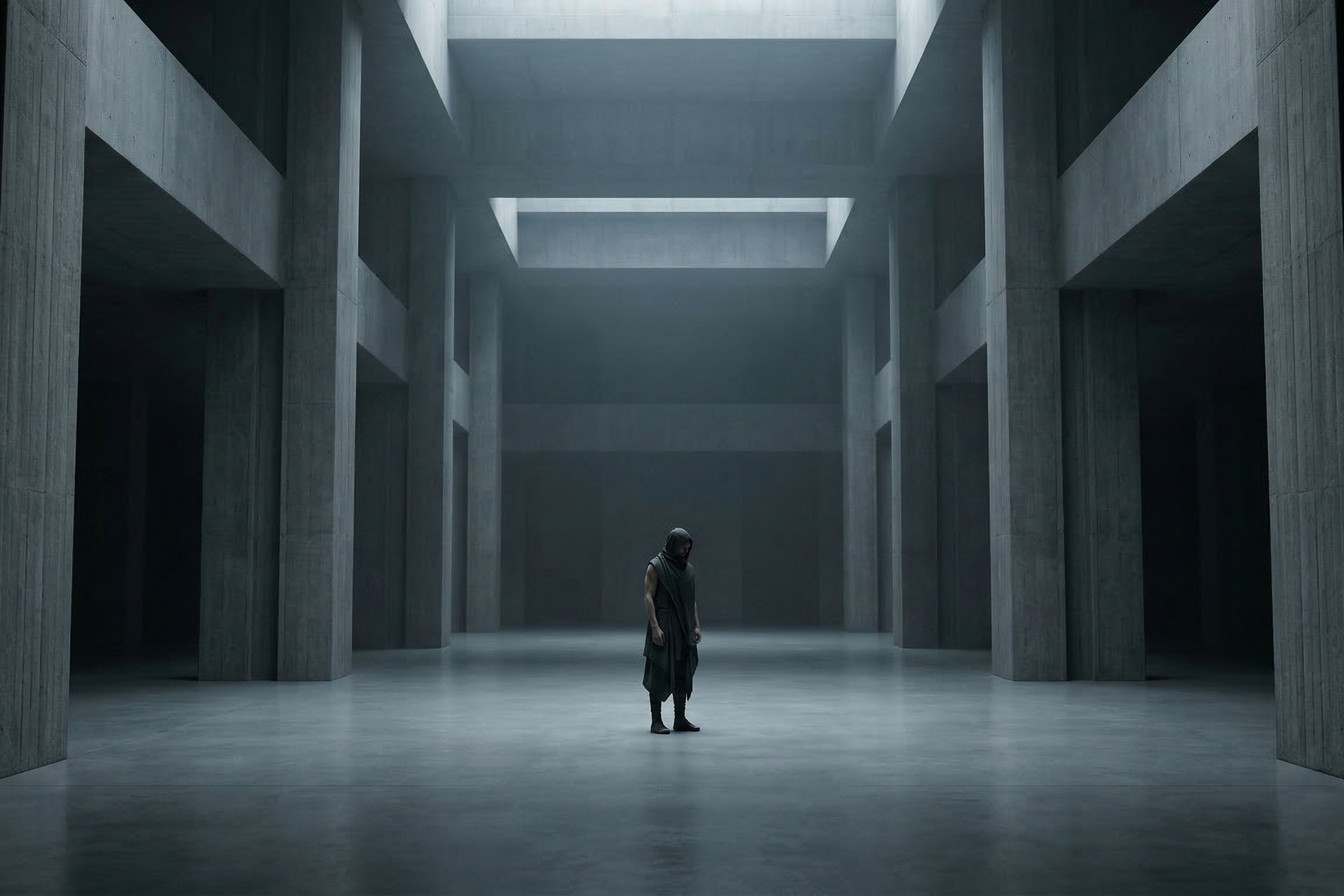
For centuries, religion provided a framework for how people understood life.
It offered explanations for the unknown.
It created rituals that connected individuals with communities.
It gave meaning to moments of uncertainty.
In many parts of the modern world, however, the role of organized religion has changed.
Some people still follow traditional faiths.
Others no longer identify with a specific religion.
Yet something interesting remains.
The human need for belief has not disappeared.
People still search for meaning.
They still look for signs that life has direction.
They still create small rituals in everyday life.
Belief simply begins to take new forms.
Instead of being defined only by institutions, belief becomes more personal.
It may appear through habits, objects, or quiet intentions.
A person may carry something meaningful.
Wear something symbolic.
Or keep an object that reminds them of strength or protection.
These actions may not always be described as religious.
But they still reflect a deeply human impulse.
The desire to connect the visible world with something beyond it.
Belief does not always require doctrine.
Sometimes it exists in the way people interpret the world around them.
In this sense, belief becomes a quiet structure beneath daily life.
It shapes how people understand hope, uncertainty, and purpose.
Even in a post-religion world, belief continues to evolve.
Not always loudly.
Often quietly.
Yet it remains one of the forces that helps humans make sense of their lives.
